You’ve completed your orthodontic treatment, your braces have come off or you’ve finished your clear aligners, and your new smile looks fantastic. It’s an exciting milestone—but your orthodontic journey isn’t quite over.
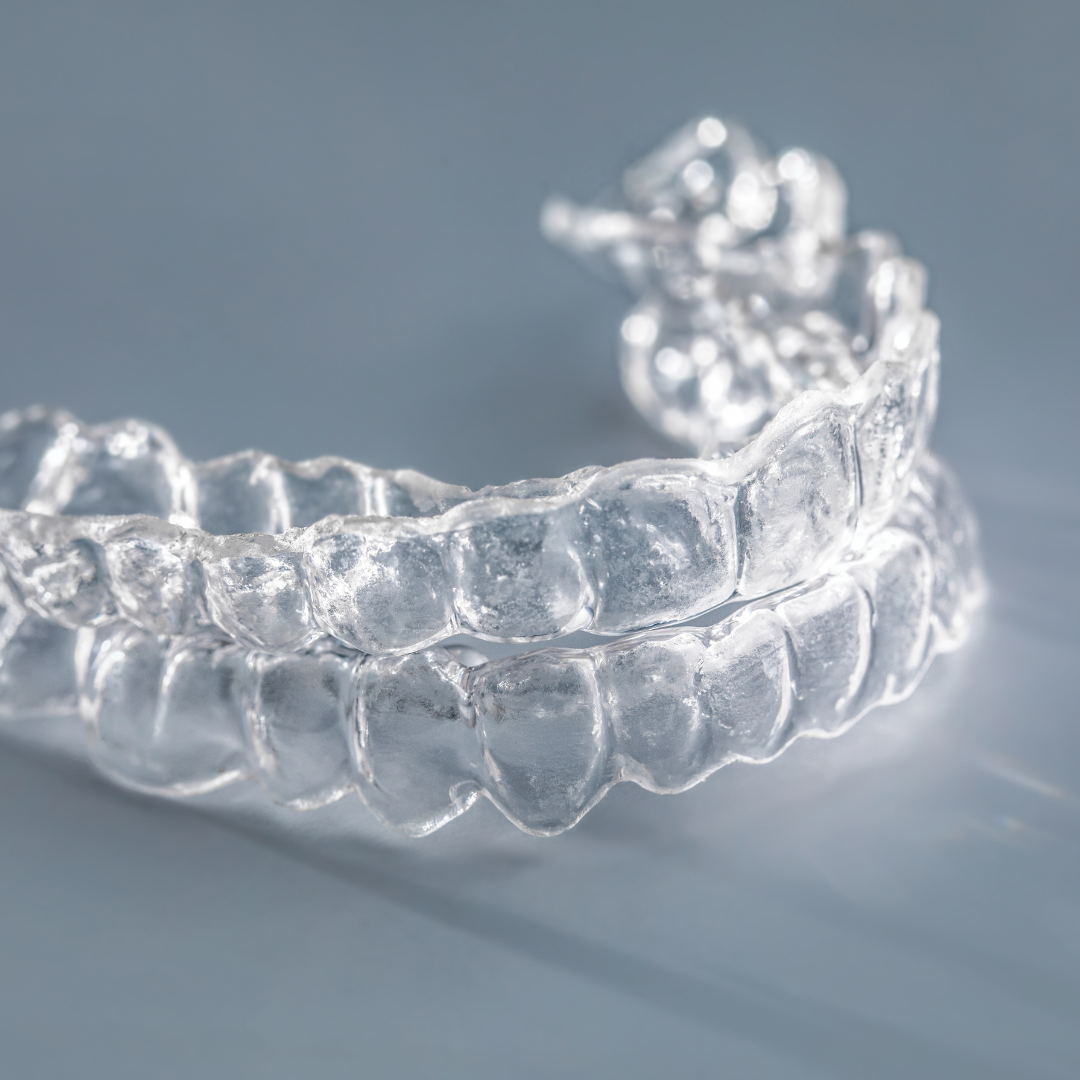
One of the most important parts of maintaining your results is wearing your removable retainer as instructed. At Toowong Orthodontics, we often hear patients ask, “Do I really need to wear my retainer forever?” The short answer is yes. Teeth naturally move throughout life, and retainers are the only way to help keep them in their corrected positions.
Why Do Teeth Move After Orthodontic Treatment?
Throughout your orthodontic treatment, braces or aligners gradually move your teeth by applying gentle pressure. As your teeth move, the surrounding bone, gums and supporting tissues also need time to adapt.
Once your braces are removed or your aligner treatment is complete, these tissues are still settling. Without a retainer holding your teeth in place, they can begin to drift back towards their original positions. This process is known as orthodontic relapse.
Even years after treatment, teeth can continue to shift due to natural changes that occur as we age.
What Happens If You Stop Wearing Your Retainer?
- Your Teeth May Start to Move
One of the first signs is that your retainer feels tighter or no longer fits comfortably. This usually means your teeth have already begun shifting.
The amount of movement varies from person to person, but even small changes can affect the appearance of your smile and how your teeth fit together.
- Crowding Can Return
The lower front teeth are particularly prone to crowding over time. If retainers aren’t worn consistently, you may notice overlapping or crooked teeth developing again.
- Gaps May Reappear
If orthodontic treatment closed spaces between your teeth, these gaps may slowly reopen without regular retainer wear.
- Your Bite Can Change
Teeth don’t just affect appearance—they also determine how your upper and lower teeth meet when you bite. Shifting teeth can alter your bite, which may lead to uneven tooth wear or difficulty chewing comfortably.
You May Need More Orthodontic Treatment
If your teeth have moved significantly, simply restarting your retainer may not be enough. Additional orthodontic treatment, such as clear aligners or braces, may be required to correct the changes.
Preventing relapse is almost always easier, faster and more affordable than retreatment.
How Often Should You Wear Your Retainer?
Your orthodontist will provide instructions based on your individual treatment, but a typical schedule is:
- Immediately after treatment: Full-time wear (except when eating, drinking or brushing) if your do not have bonded retainers
- After the initial retention period or immediately if you have bonded retainers: Night-time wear as instructed
- Long-term: Continue wearing your retainer at night indefinitely unless advised otherwise. Typically, after the first year, it is possible to reduce wear to a few nights per week however this is to be advised by your orthodontist.
Many patients are surprised to learn that retainers are a lifelong commitment. This recommendation isn’t unique to orthodontics—it’s simply the best way to preserve the investment you’ve made in your smile.
What If You’ve Forgotten to Wear It?
If it’s only been a short time and your retainer still fits comfortably, start wearing it again as soon as possible.
If your retainer feels very tight, causes significant discomfort, won’t fully seat, or no longer fits at all, don’t force it into place. Contact Toowong Orthodontics as soon as possible so we can assess your teeth and recommend the best course of action.
The sooner you seek advice, the greater the chance of preventing further movement.
How Often Should I Replace My Retainer?
Your removeable retainers can last you anywhere from 2-6 years depending on how well you look after them. If you clench or grind your teeth or do not look after your retainers appropriately then you may need to replace them much sooner e.g. within 2 years. If you notice any cracks or large holes developing in your retainers, this is normally a good indication to replace them. However, if you are unsure contact Toowong Orthodontics so we can assess their condition and recommend the best course of action.
Looking After Your Retainer
To help your retainer last as long as possible:
- Wear it exactly as instructed.
- Store it in its protective case whenever it’s not in your mouth.
- Clean it daily using a soft toothbrush and cool water or a retainer cleaning product recommended by your orthodontist.
- Keep it away from heat, including hot water, as this can warp the plastic.
- Keep it out of reach of pets, who commonly chew retainers.
- Bring your retainer to your review appointments so we can check that it still fits properly.
Lost or Broken Your Retainer?
Accidents happen. If your retainer is lost, broken or damaged, contact Toowong Orthodontics promptly.
The longer you go without wearing a properly fitting retainer, the more likely your teeth are to shift. Replacing a retainer early can often prevent the need for additional treatment.
Protect Your New Smile for Life
Completing orthodontic treatment is a significant achievement, and wearing your retainer is the final step in protecting your beautiful results.
Think of your retainer as an insurance policy for your smile. A few hours of wear each night can help maintain the straight teeth you’ve worked so hard to achieve.
If you have any concerns about your retainer, notice changes in your teeth, or need a replacement, our friendly team at Toowong Orthodontics is here to help. Contact us to book an appointment and keep your smile looking its best for years to come.