
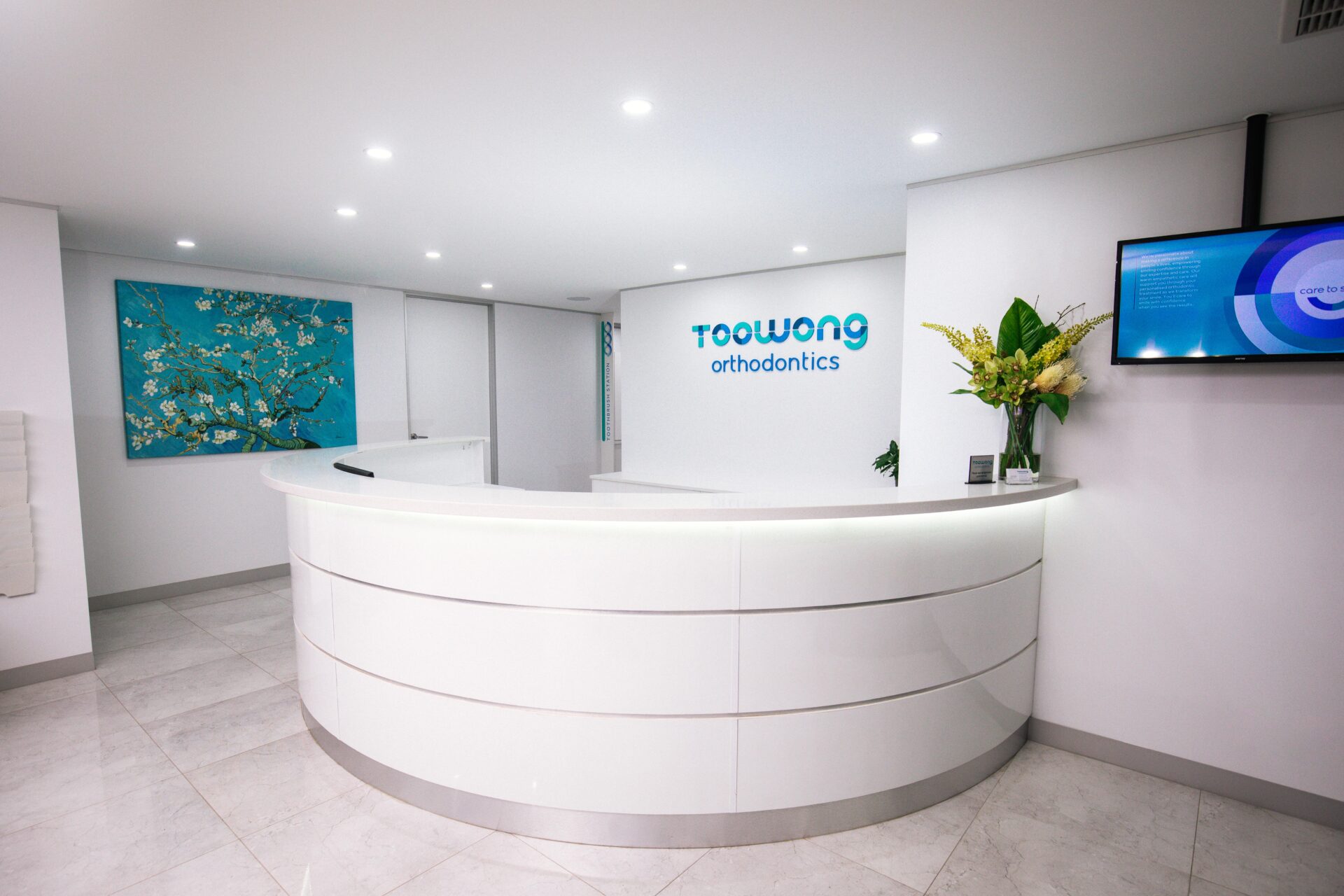
Orthodontic treatment, for any patient can feel daunting and stressful, especially for adults or children with Autism Spectrum Disorder. A trip to the orthodontist can involve new sights, sounds, people and sensations. Our goal is to make each visit as calm, predictable and positive as possible. At Toowong Orthodontics, we understand that every patient we see can experience things differently and therefore requires tailored treatment and care.
Challenges
Understanding potential challenges before treatment begins can help you and your child feel more prepared for what to expect. Some challenges you or your child may face whilst undergoing orthodontic treatment with Autism Spectrum Disorder may be:
-
Hypersensitivity
There will be different sensations (e.g. tastes, textures, etc.) when wearing braces or aligners. In particular, as braces are a fixed appliance it may frustrate your child that they are unable to remove them or stop these sensations. Your child may experience unfamiliar sensations such as bright lights, sounds, surroundings, objects etc.
-
Daily Oral Hygiene
Undergoing orthodontic treatment requires good oral hygiene throughout the entire treatment time to prevent things such as gingivitis, dental decay, etc. Your child may find cleaning around orthodontic appliances difficult and overwhelming, in particular fixed appliances such as braces.
-
Food restrictions
To prevent damage to orthodontic appliances certain foods are advised to be avoided throughout treatment. This may limit your child’s potentially already limited foods in their diet.
-
Habitual behaviors
Some habits, including soothing ones, can cause damage to orthodontic appliances. These include chewing on pencils/hard things, pulling / playing with teeth, grinding or rubbing teeth together, etc.
-
Frequent Orthodontic appointments
Orthodontic treatment requires frequent appointments normally every 6 – 7 weeks, but sometimes sooner if needed. This is to ensure teeth are continuously moving and for us to monitor you throughout treatment.
How we can help!
Our Specialist Orthodontists dedicate an hour with all our new patients to understand, discuss and plan their orthodontic treatment. There are variety of options available for patients with ASD, including braces and aligners. At this consultation, we strive to understand our patients’ needs to best help us care for them over the course of their orthodontic treatment. If you or your child have preferred methods of treatment care or require additional support in creating a comfortable environment please let us know.
Some ways we can help:
-
Creating a comfortable environment
-
Personalized appointments
-
Attending during Quiet Time sessions so there is less noise,
-
Having longer appointments so there is sufficient time for breaks etc. We are able to best provide this during our Quiet Time
-
Practice visits to the clinic to become familiar with the environment before treatment begins
-
Bringing comfort toys or if you have an NDIS approved Service dog we can accommodate.
-
Consistency in dental chairs and seating in the practice. We are able to best provide this during our Quiet Time
-
-
Gentle and supportive care
-
Partnering with families
We work with families to provide the best care possible for our patients. You know your child better than we do, helping us understand methods and resources that make your child most comfortable enables us to provide a positive and safe experience.
How to prepare your child for orthodontic treatment
Prior to beginning treatment, there are things you can do to help your child become comfortable.
-
Find an autism-friendly orthodontist
Not every orthodontic practice may be best suited for your child. Communicating and informing your orthodontist and their team on the needs of your child can help create a comfortable environment for your child.
-
Familiarity with the practice location including practice visits
Attending with your child to the practice location and building prior, can help familiarize the environment. This can reduce a lot of stress and anxiety they and/or yourself may feel leading up to their initial appointments.
-
Explaining to your child
Explaining in a calm and positive way to your child what orthodontic treatment means and what is to be expected can help them become comfortable visiting an orthodontic practice. If you are unsure yourself, our team can help with what to expect and refer helpful resources.
-
Support and comfort